











Optoelectronic
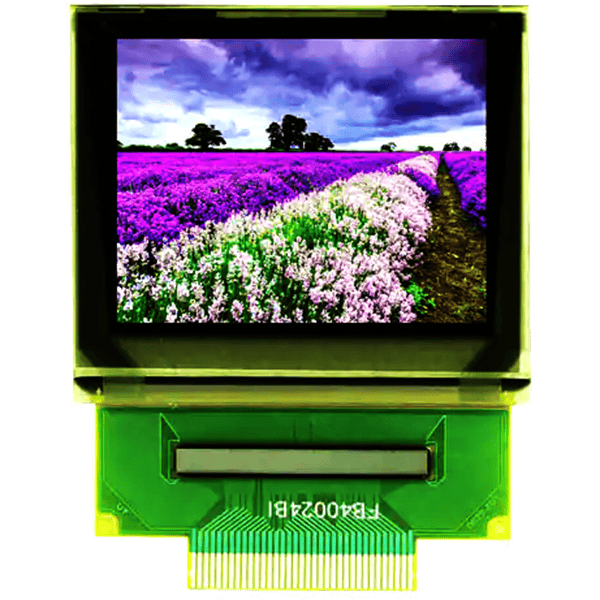
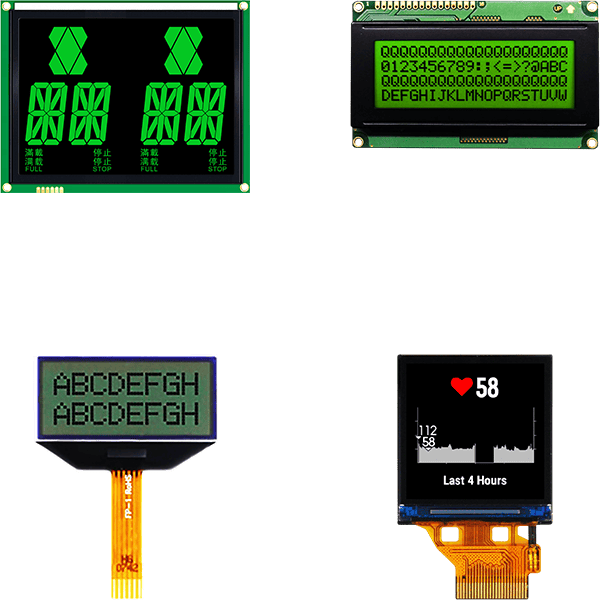
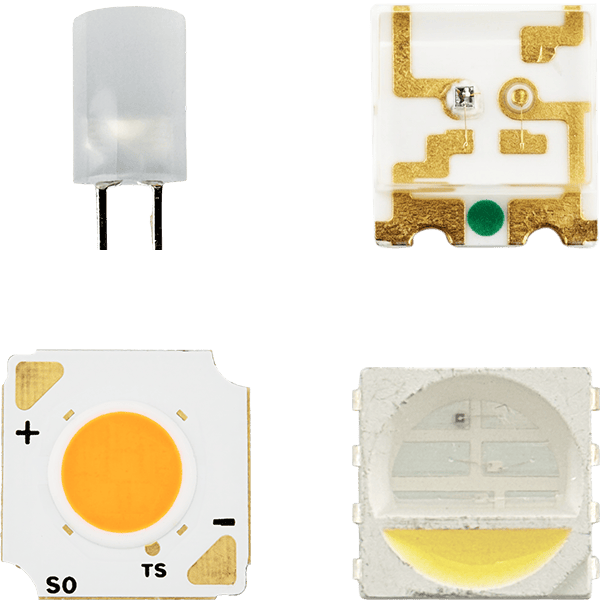
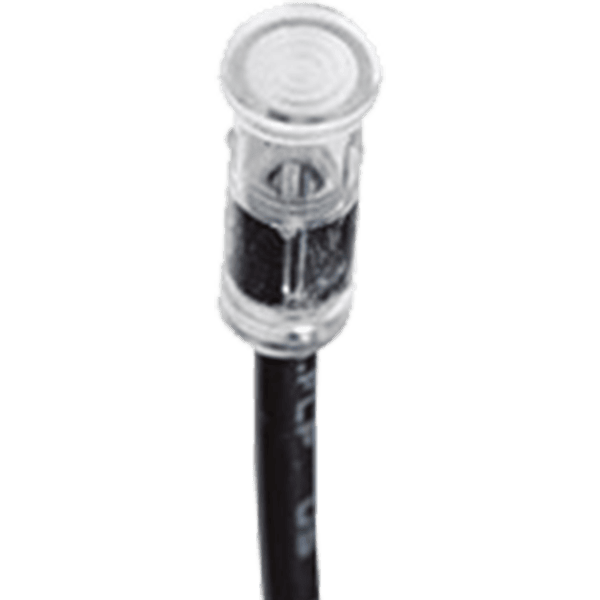
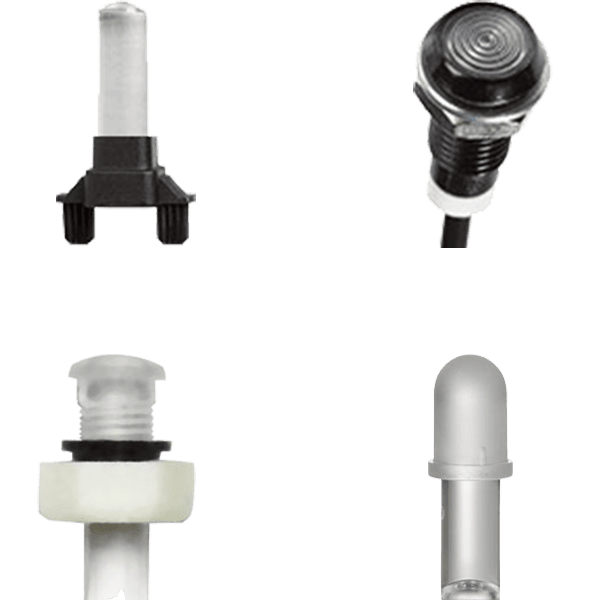
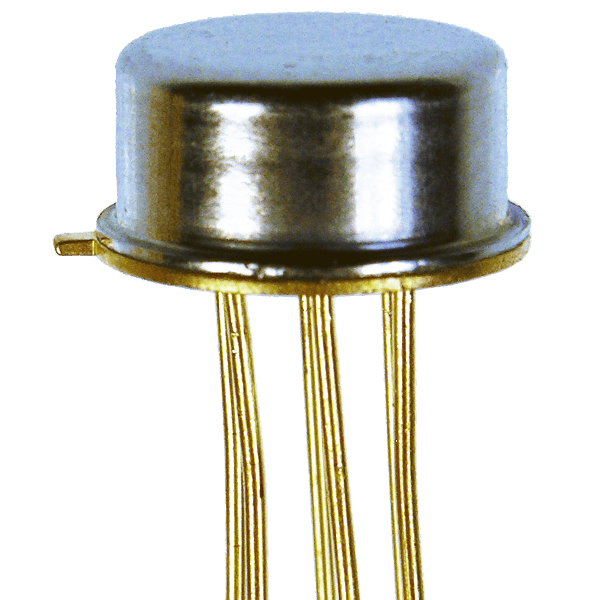
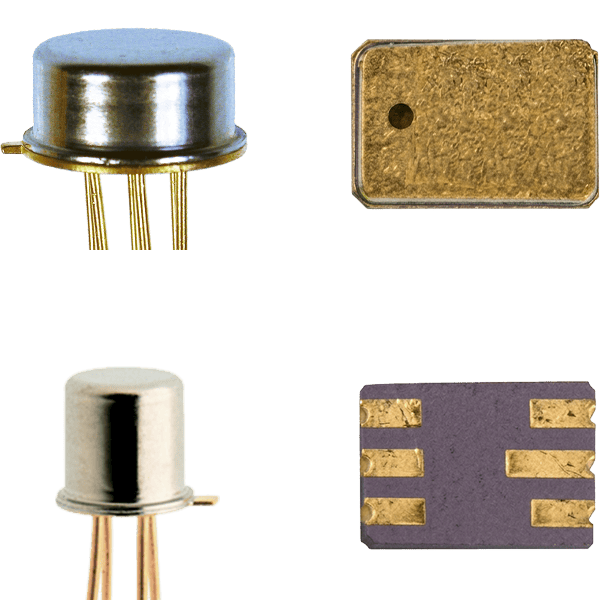
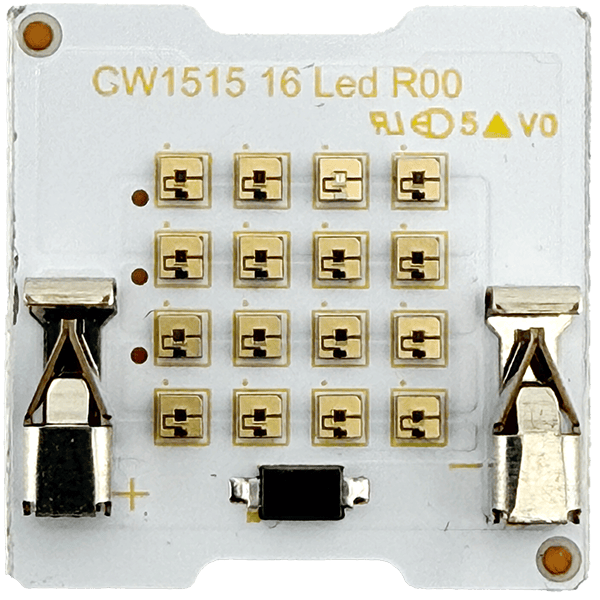
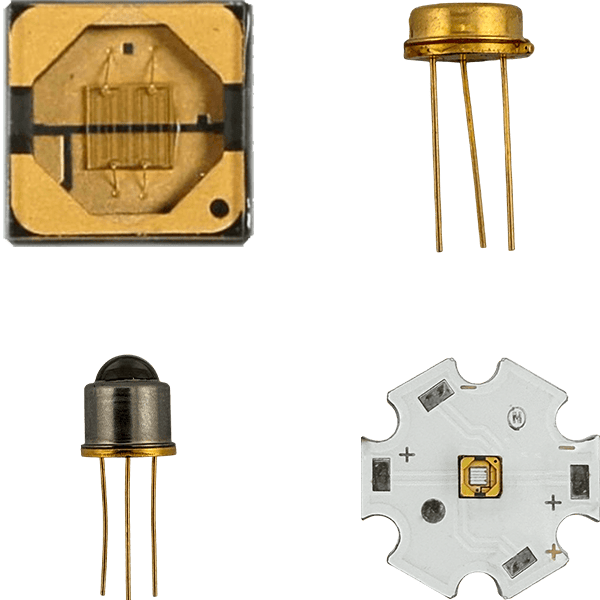
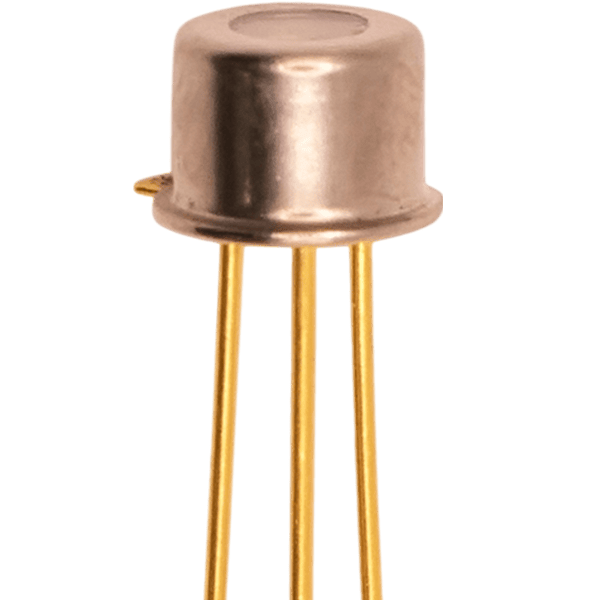
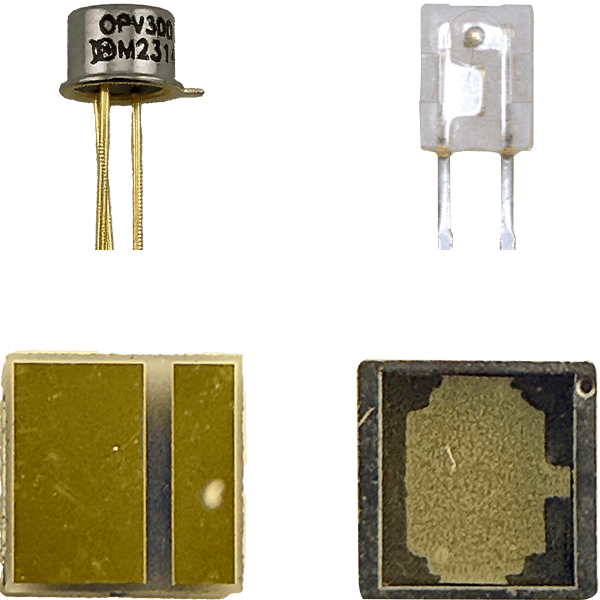
In optoelectronics, Neumüller offers a broad portfolio of components, modules and systems. This includes LEDs, displays, sensors, ToF components, UV solutions and custom assemblies. We support you from selecting suitable components through to reliable series supply for industrial, medical and embedded applications.
Our
manufacturer
Brochures
Here you will find bundled information on the topic as well as selected brochures with further content, technical background information, and practical solutions.

Frequently asked questions about
Optoelectronic
Here you'll find answers to the most common questions about Optoelectronic.
01
Was ist Optoelektronik?
Der Begriff Optoelektronik wurde in den 1950er Jahren von dem britischen Physiker Herbert Kroemer geprägt. Er beschreibt die Kombination von optischen und elektronischen Bauelementen in einem Gerät oder System. Die Optoelektronik umfasst alle Verfahren und Techniken, welche die Konvertierung von elektronisch erzeugten Daten und Energie in Lichtemission ermöglichen und umgekehrt.
Licht dient dabei als Signalträger zur Übertragung von Informationen, zur Messung von physikalischen Größen oder zur Erzeugung von Bildern. Die Optoelektronik basiert auf den Eigenschaften von Licht und Photonen und hat ihren Ursprung in der Phototechnik. Eigenschaften wie Wellenlänge und Intensität können zur Übertragung von Informationen genutzt werden.

02
Welche optoelektronischen Bauteile gibt es?
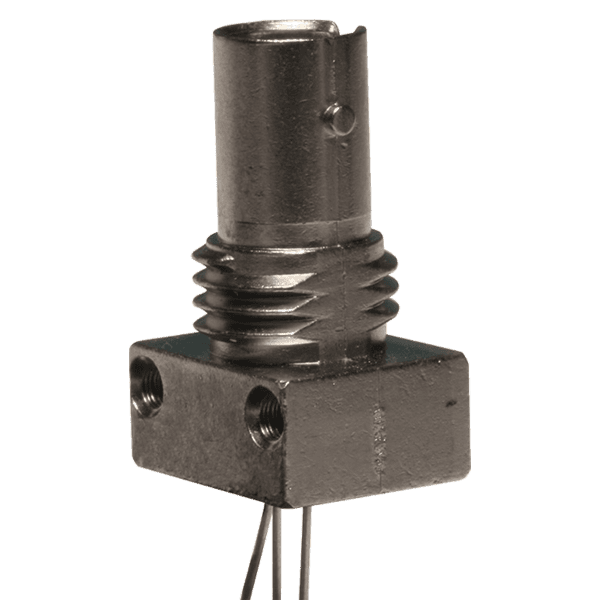
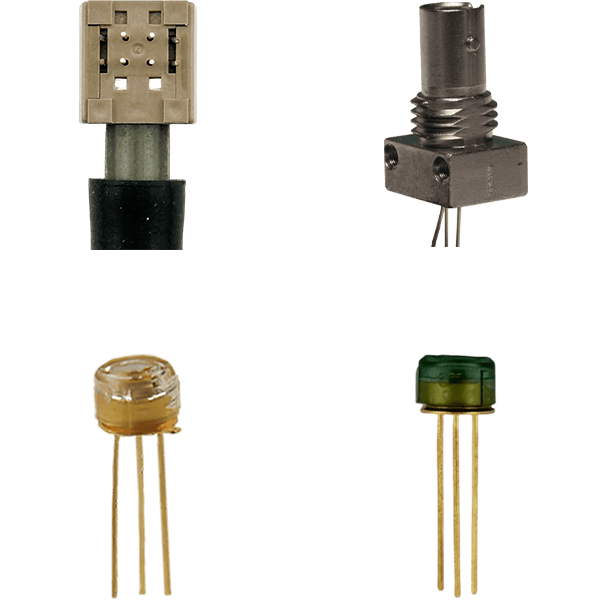
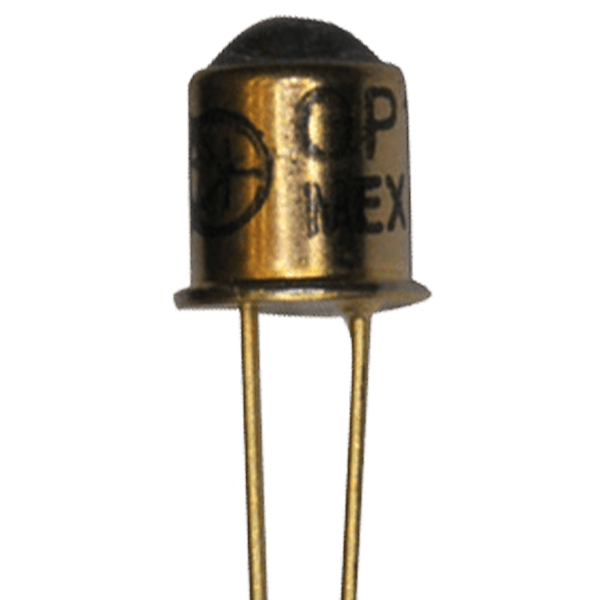
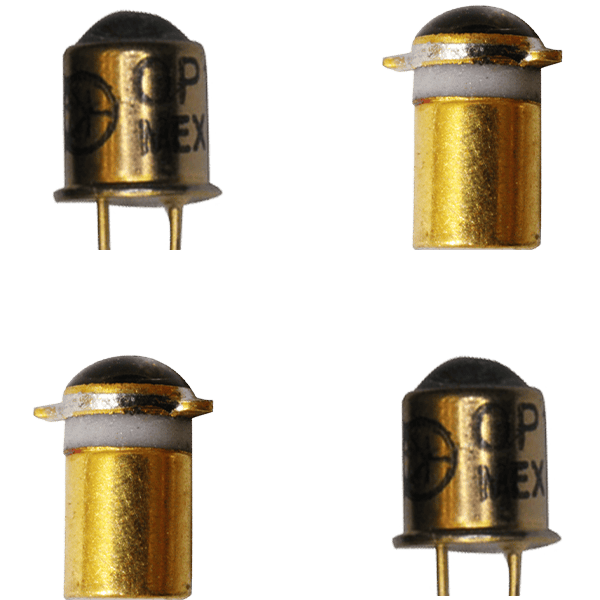
Optoelektronische Bauteile lassen sich in Aktoren (Sender) und Detektoren (Empfänger) unterteilen:
- Optoelektronische Aktoren erzeugen Licht aus Strom, z. B. Laser und Leuchtdioden – im sichtbaren wie im unsichtbaren Spektralbereich (UV oder Infrarot).
- Optoelektronische Detektoren sind die Gegenstücke, z. B. Photowiderstände, Photodioden und Phototransistoren sowie Lichtsensoren wie CCD-Sensoren.
Zusätzlich unterscheidet man aktive und passive Komponenten:
- Aktive Bauelemente emittieren Strahlung – z. B. LED-Leuchten, UV-Emitter und Laserdioden.
- Passive Bauelemente verarbeiten Licht, erzeugen aber keine Strahlung – z. B. Infrarot-Empfänger, Fototransistoren und Fotodioden.

03
Wie funktionieren optoelektronische Sensoren?
Optoelektronische Sensoren nutzen Licht als Messgröße, um Informationen über die Umgebung zu sammeln. Sie bestehen aus einem Aktor, der Licht emittiert, und einem Detektor, der das Licht detektiert und misst. Werden beide als System betrieben, entsteht ein optischer Sensor – auch Optosensor genannt.
Eingesetzt werden sie u. a. in der Industrieautomatisierung, Medizintechnik, Verkehrstechnik und Unterhaltungselektronik – zur Messung von Distanzen, Geschwindigkeiten, Neigungswinkeln und Beschleunigungen. Typische Bauformen sind:
- Lichtwellenleiter-Sensoren – leiten Licht in Glasfasern zur Datenübertragung oder Distanzmessung.
- Fotodioden-Sensoren – messen Beleuchtungsstärken oder erfassen Bewegungen.

04
Welche Materialien werden in der Optoelektronik verwendet?
Materialien spielen eine zentrale Rolle bei Bauteilen, die als Schnittstelle zwischen elektrischen und optischen Komponenten dienen. Entscheidend ist ihre Fähigkeit, Licht zu emittieren oder zu detektieren – dafür kommen meist Halbleitermaterialien zum Einsatz.
Beliebte Materialien sind zum Beispiel:
- Halbleiter wie Silizium und Galliumarsenid
- Glasfasern für die optische Datenübertragung
- Polymermaterialien für flexible elektronische Geräte
- Quarz für optische Komponenten und Halbleiterlaser
- Saphir für optische Komponenten und LED-Gehäuse
- Germanium und Zinkselenid für Infrarotdetektoren
- Aluminiumoxid und Bariumsulfid für optische Komponenten
- Indiumphosphid für optische Komponenten und Wellenleiter
Die Wahl hängt von der gewünschten Eigenschaft (z. B. Emissionsspektrum oder Detektionsempfindlichkeit), der Anwendung und der Fertigungsmethode ab.
05
In welchen Bereichen wird Optoelektronik angewendet?
Die Optoelektronik findet in vielen Bereichen Anwendung:
- Optische Kommunikation & Datenübertragung – Übertragung von Informationen über große Distanzen, z. B. in Glasfaserkabeln, Laserdruckern und Projektoren.
- Optische Sensoren & Messsysteme – Messung physikalischer Größen wie Temperatur, Druck, Feuchtigkeit und Bewegung in Industrie, Medizintechnik und Umweltüberwachung.
- Optische Speicher & Datenspeicherung – Aufzeichnung und Wiedergabe digitaler Daten, z. B. in CD-/DVD-/Blu-ray-Playern.
- Optische Bildverarbeitung & Bildsensoren – Erzeugung und Verarbeitung von Bildern in Kameras, Smartphones und Drohnen.
- Displaytechnik & Beleuchtung – Bilderzeugung und Beleuchtung in Monitoren, Fernsehern, Projektoren und LED-Lampen.
Services
We support you in every phase of your project. From the initial idea to series production, we accompany you with expertise, state-of-the-art technology, and customized solutions.

Why customers rely on us
For decades, we have been supporting our customers with tailor-made solutions, technical expertise, and personal service. This trust forms the basis for successful, long-term partnerships.
Customized solutions
Whether standard or custom solutions -
we deliver exactly what you need.
All in One
Distribution, development, production -
comprehensive service from a single source.
Innovative Technologies
Future technologies in use
for modern solutions with vision.
Personal project support
Reliable support right from the start -
on site, via call, or by phone.
Years of experience
Successful on the market since 1952
with in-depth industry expertise.
Network
Manufacturer expertise directly available
for development, innovation & optimization
Integration Level
High system integration with a concept
for efficiency and reduced complexity.
Technical expertise
Know-how and experience combined
for sustainable electronics solutions.
Sustainable
Responsible and resource-conscious
selection of components and supply chains.
Framework agreements
Predictable prices and supply -
tailored to your individual needs.
9001:2015
Certified processes for maximum
safety, quality, and compliance.
Logistics solutions
Kanban, consignment, min-max, and more
for availability and less inventory.
Customers who
trust us.
Latest News on Optoelectronic
Stay up to date with the latest product news, technical innovations, and trends in the field of Optoelectronic.


